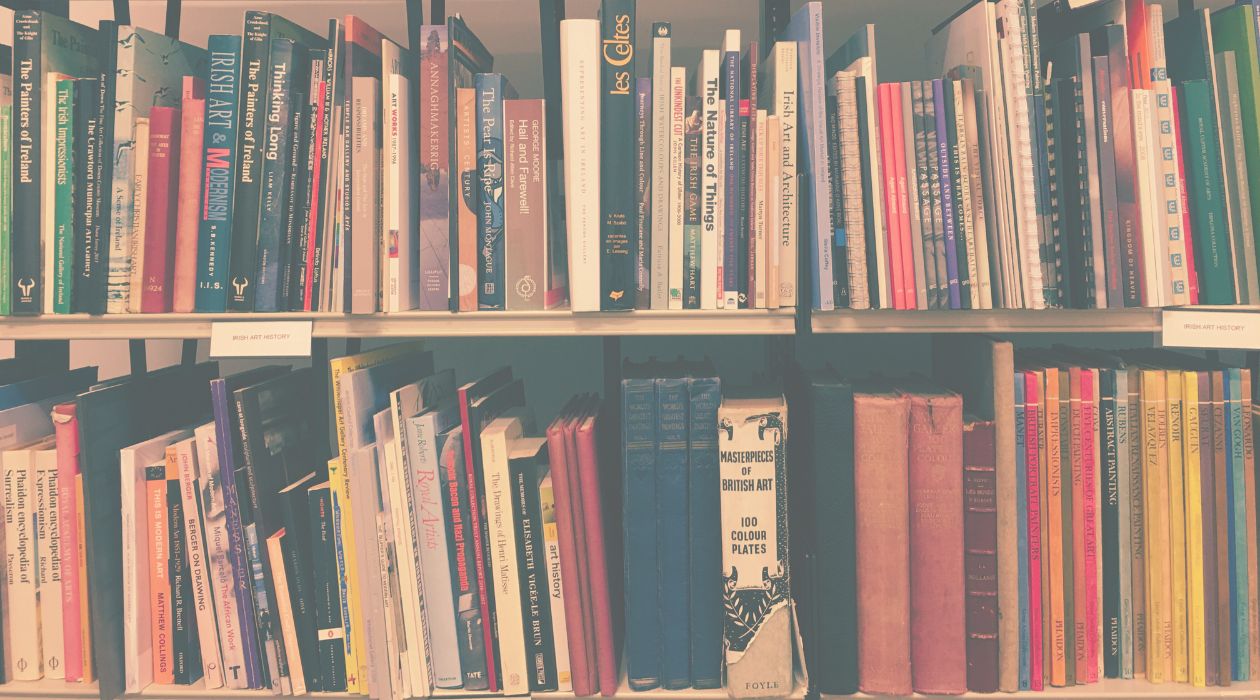
For Late Night Art this month, the gallery will show some of the works held in our Collection by artist Gerry Gleason. So it’s an ideal time to share the first of Brian McAvera’s new ‘Artists from the Archive’ series of articles drawn from NIVARLA, our Northern Ireland Visual Art Research Library & Archive, all about Gerry.
Back in the eighties, you expended a lot of energy if you wanted to see certain artists. For example, both Jack Pakenham and Gerry Gleason were then in Queen Street Studios: top floor, eight flights of steps, and bloody cold. At that time Gerry was working at night in a highly stressful job and would often come to the studios first thing after work. He was what I call a socio-political art. He responded to the world around him and that world was The Troubles. He was also a workaholic.
Unlike artists such as Jack Pakenham, Gerry was self-taught, and he came late to art: like Matisse (whom he admired) he took to art when he was convalescing. Despite the lack of art-college training, Gerry’s range of reference was and is surprisingly wide. Unlike many artists I have known, he has a strong intellectual bent, being analytical by nature. Given a chance – and he had a machine-gun speed of delivery – he could give you a detailed analysis of the hows and whys of any of his artworks.
I first came across him in the early eighties when he produced The Bone Series, skeletal figures, or part figures re-animated by surges of red. The series was an admirable metaphor for the charnel house that was the North. One of the artist’s great qualities was his ability to assimilate a very wide and disparate range of artworks, be they classical, modern, or contemporary. Any chance he got he would travel, not just over to London to see exhibitions, but to countries like Germany or Poland where he might produce an Installation, or a series of scratched slides. Like those fish that are called bottom-feeders, Gerry was constantly hoovering up influences and ideas. He could assimilate artists as different as Francis Bacon, Picasso, and Penck.
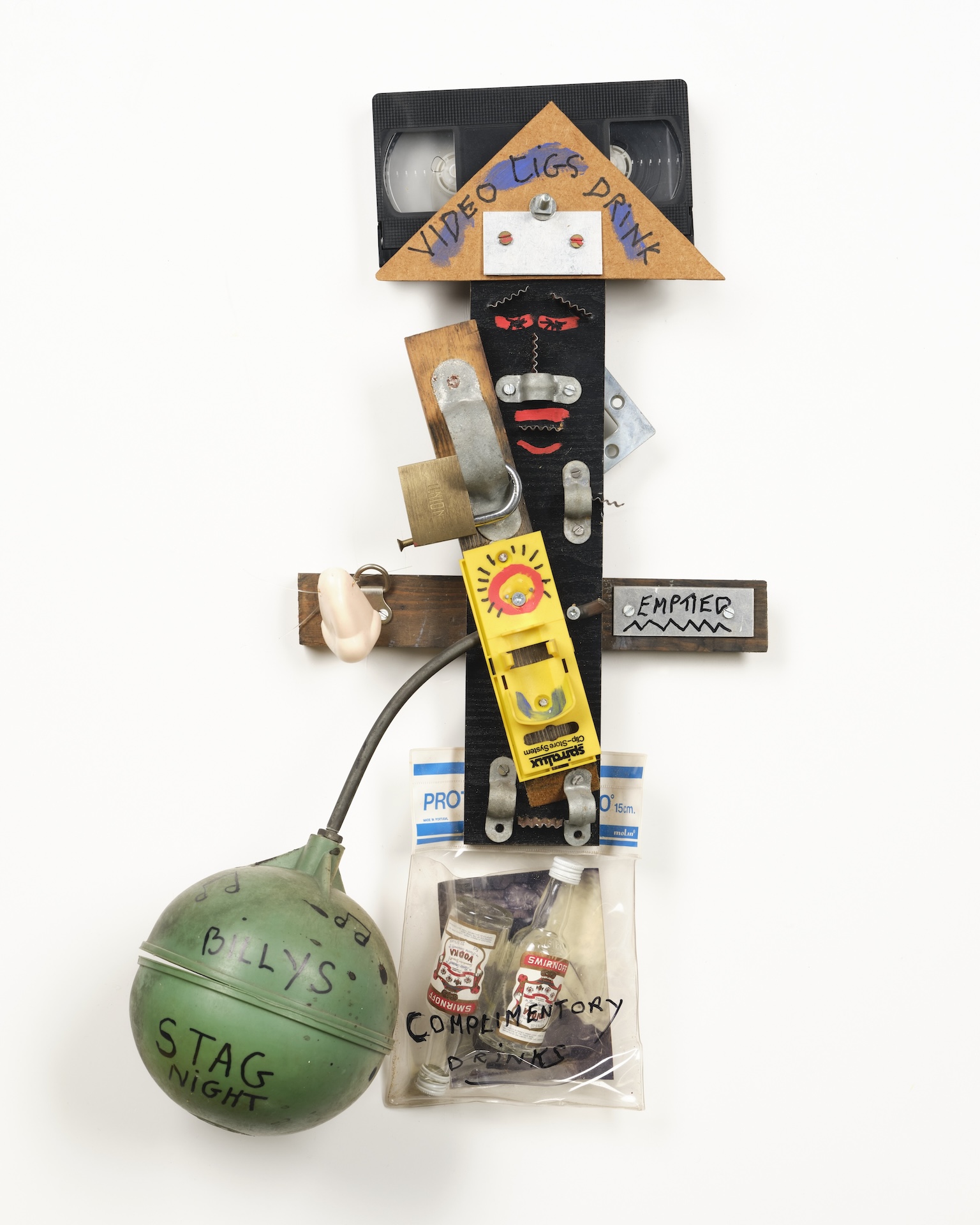
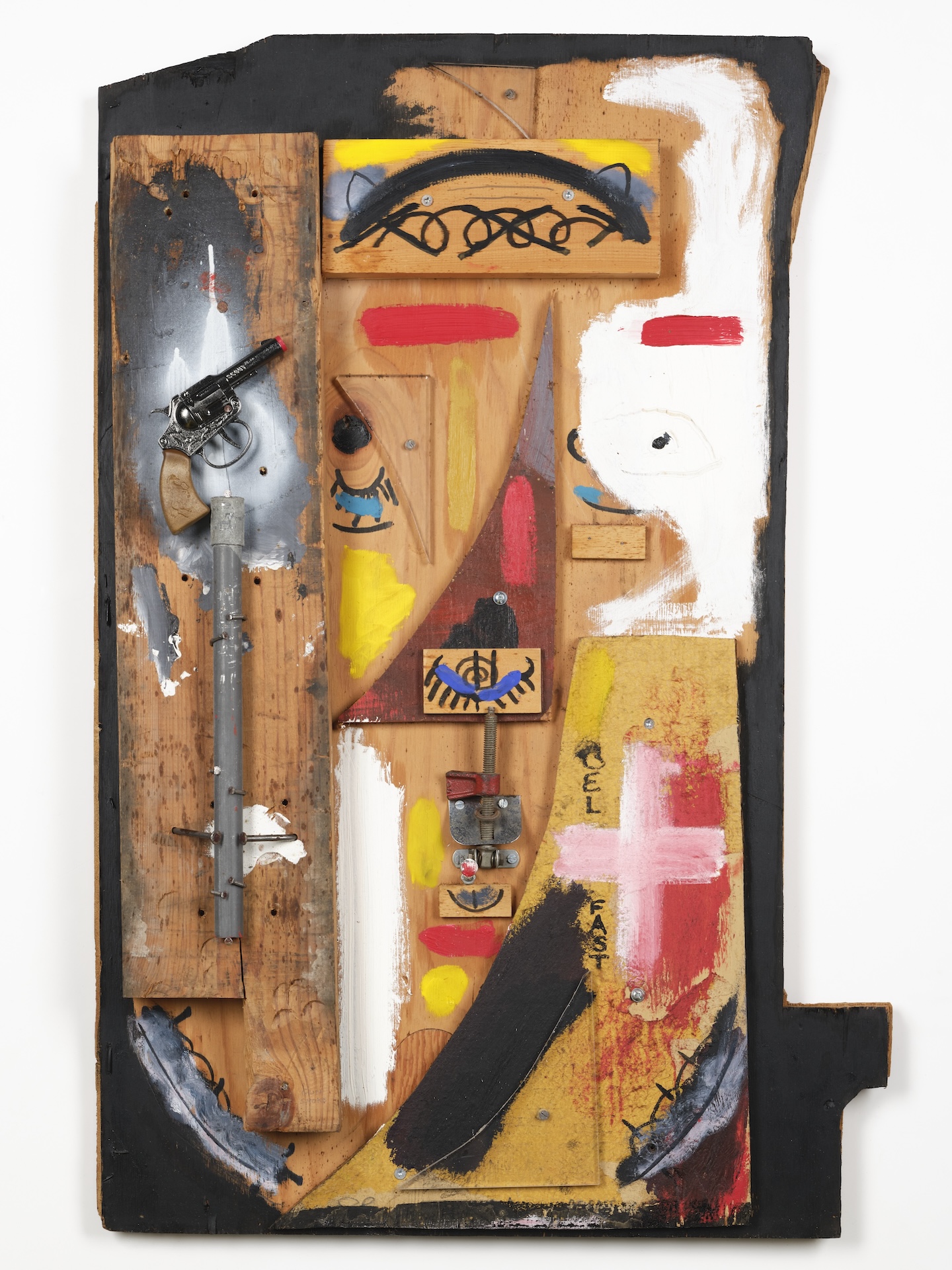
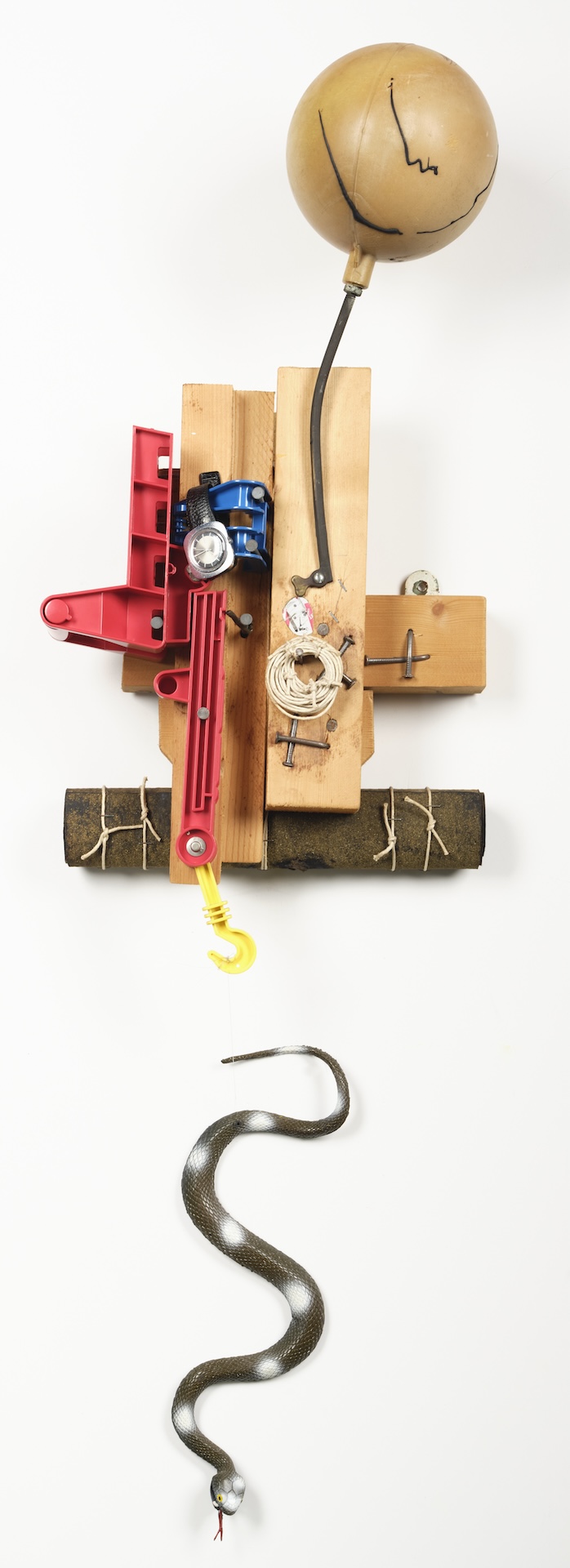
(l-r) Gleason's 'Billy the Kid' skip sculptures
What most people do not realize about artists such as those who bore witness to the Troubles, was the sheer difficulty of keeping on going. You were dealing with very intractable subject matter: subject matter that was, to say the least, unsettling, and which took an emotional and psychological toll. You were also dealing with the fact that hardly anybody wanted your work; that even those collecting agencies who ought to have been collecting you (Ulster Museum, ACNI, IMMA, Contemporary Art Society) were not. It takes considerable reserves of determination, fortitude, willpower, and sheer bloody-mindedness to keep on going in such circumstances. Gerry Gleason never faulted. He kept on doggedly working, doggedly observing, doggedly reflecting, and doggedly painting. He knew that he was painting history, and he did something that was (that word again) doggedly heroic: he carefully wrapped up his work, stored it, and kept it safe. In the decades to come, our social and political history will be unravelled through his archive, an archive that includes not only a substantial number of paintings but also an equally substantial number of drawings, watercolours, and photographs.
Gerry has exhibited in England, Germany, and Poland, and at our own Orchard Gallery in the days when it was still operating under Declan McGonagle. But one of the pleasures, for me, of curating the GT Gallery Troubles Exhibition in 2006 was the introduction of Gerry’s painting to a whole generation of artists who had never seen it before. Gleason is very much a post-modernist, fragmenting his narratives as he wants to find ‘visual metaphors that aren’t photo-journalistic.’ As such, his narratives are encoded, layered, allusive and symbolic. I well remember that, in the eighties, the numbers on his canvases referred to the number of the dead when he had started a canvas, and the number of the dead when he had finished one.
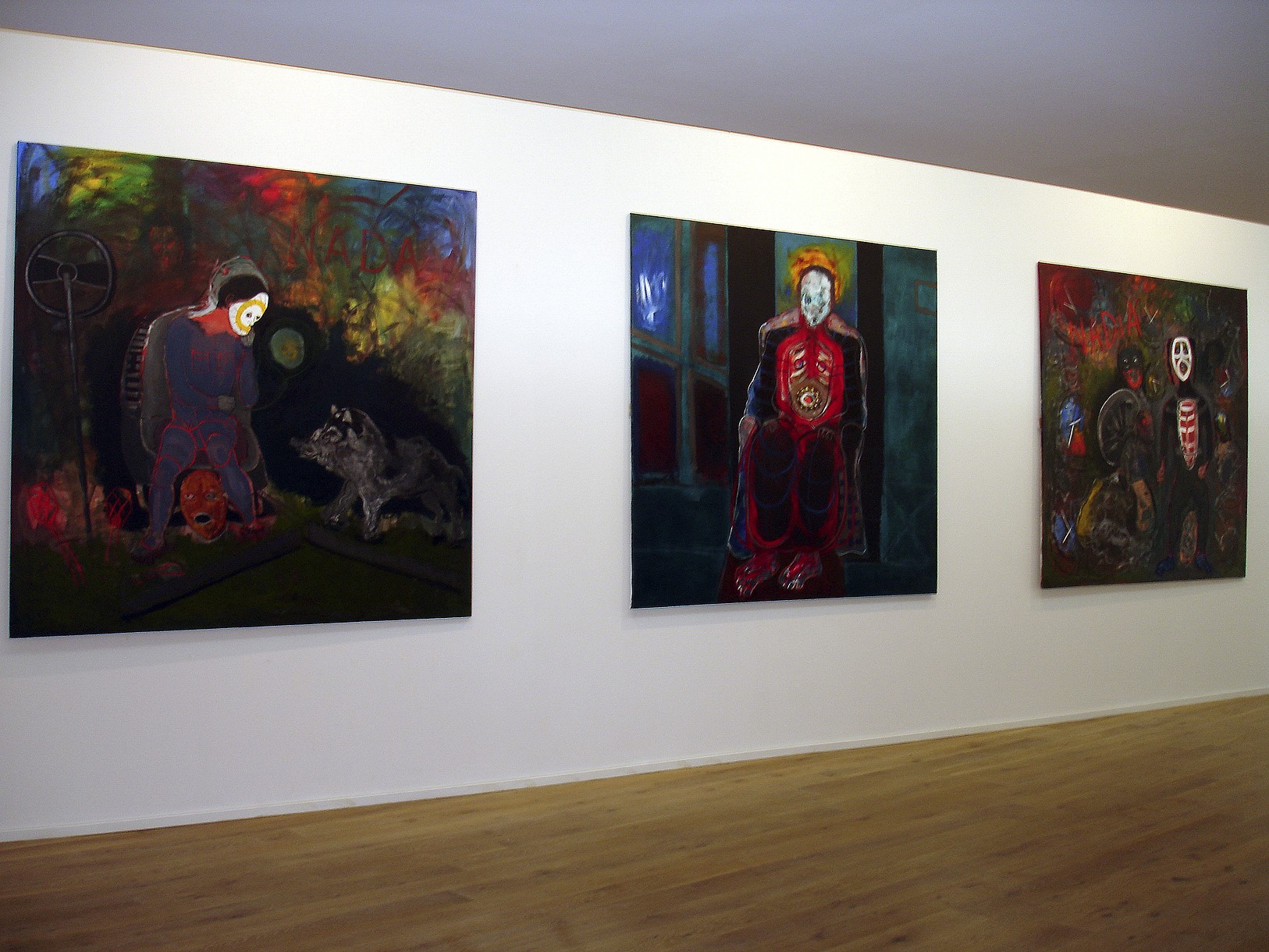
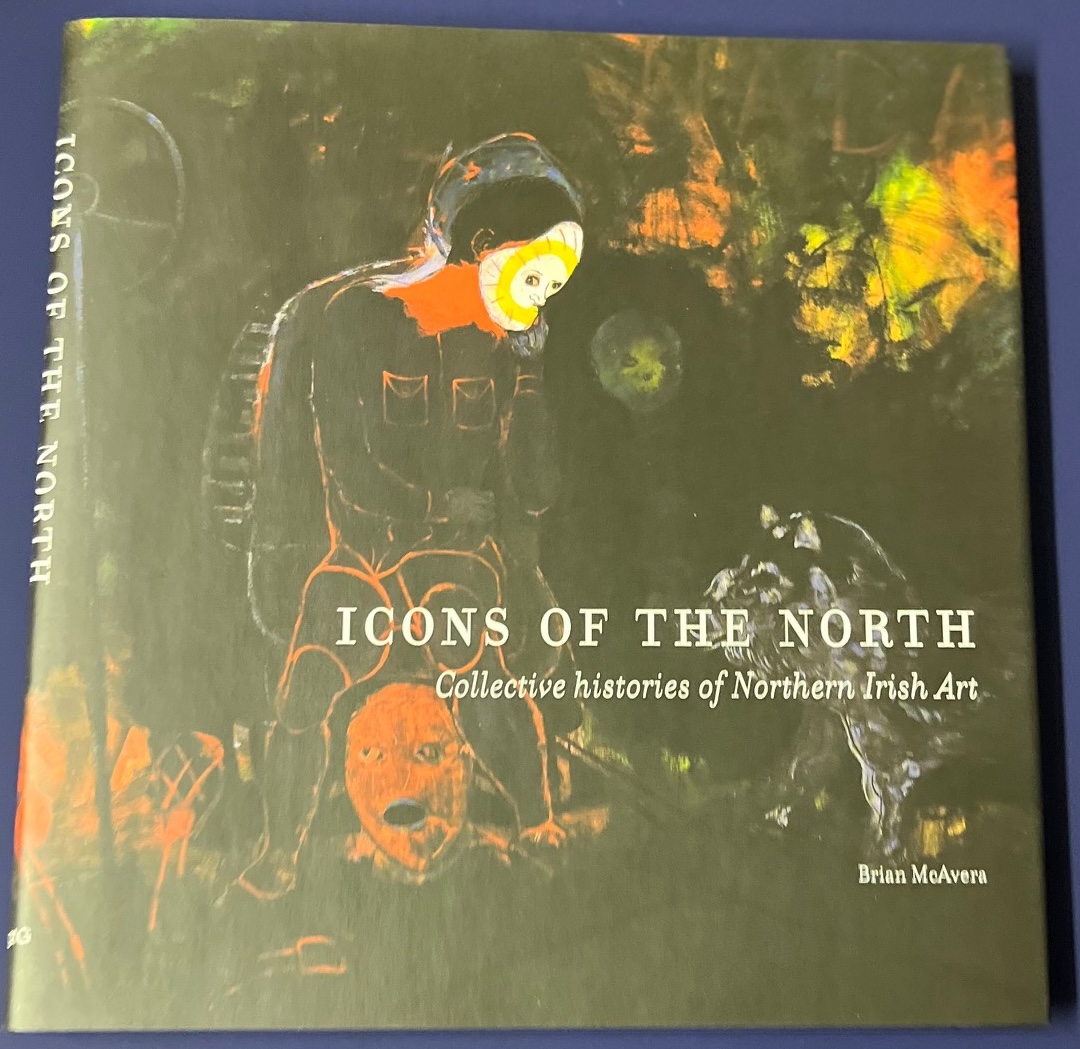
Ulster Saga Triptych 1993-4, Gerry Gleason; cover of GTG Collective Histories 'Icons of the North'
As with Jack Pakenham, there is often a mordant, moral anger which leaches out of the paintings. One of his major achievements is the triptych An Ulster Saga (1993-94). Some day there will be a major retrospective of his work. When that happens, you will be able to trace the quagmire that is the North, on an almost daily basis, from the early eighties onwards.
Brian McAvera, February 2025
We’ll share new articles inspired by NIVARLA by Brian every week. And you can enjoy more of his writing on his own site here.
NIVARLA will launch formally in February, and items in the rare and special collection will be available to view by appointment. We will share more information on how to access and use NIVARLA soon!
The Northern Ireland Visual Art Research Library & Archive is supported by the Ampersand Foundation, with many books and archive items donated and on loan from the McAvera & Walker Library.
Help fund our work
Through a one-off or repeat donation, you’ll enable us to continue showcasing art and culture with our community.
Supported by